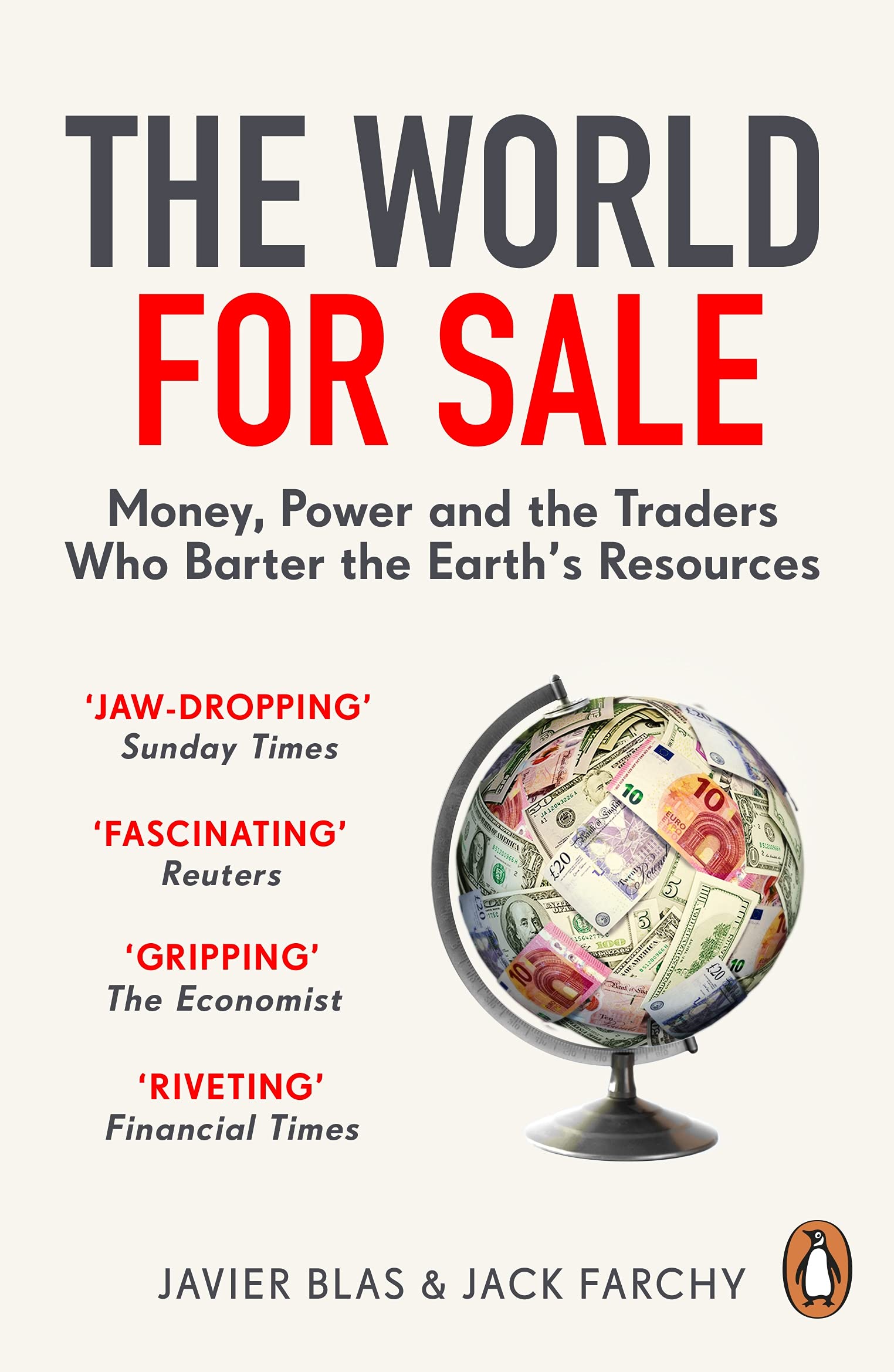
The World for Sale: Money, Power and the Traders Who Barter the Earths Resources
2.500,00 د.ج
The World for Sale Money Power and the Traders Who Barter the Earth’s Resources
5
Items sold in last 3 days
0
People watching this product now!
Estimated delivery dates: juin 11, 2026 – juin 18, 2026

Produits similaires
Leading from Purpose: Clarity and the Confidence to Act When It Matters Most
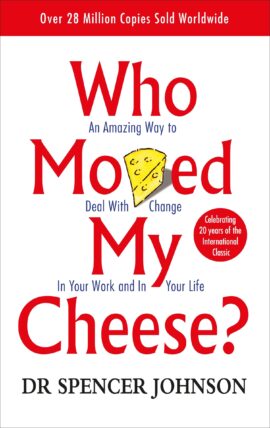
Cheese is a metaphor for what you want in life - be it a good job, a loving relationship, money or possessions, health or spiritual peace of mind. And the maze is where you look for what you want - the organization you work in, or the family or community where you live. This book shows how to anticipate change, adapt quickly, enjoy the change and be ready for more, so that you suffer from less stress and enjoy more success in life.
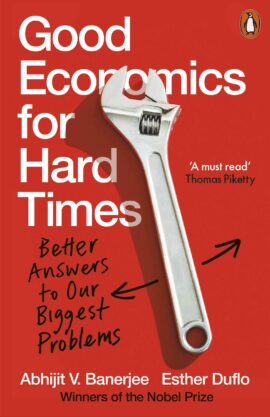
Good Economics for Hard Times: Better Answers to Our Biggest Problems
FROM THE WINNERS OF THE 2019 NOBEL PRIZE IN ECONOMICS'Wonderfully refreshing . . . A must read' Thomas PikettyIn this revolutionary book, prize-winning economists Abhijit V. Banerjee and Esther Duflo show how economics, when done right, can help us solve the thorniest social and political problems of our day. From immigration to inequality, slowing growth to accelerating climate change, we have the resources to address the challenges we face but we are so often blinded by ideology.Original, provocative and urgent, Good Economics for Hard Times offers the new thinking that we need. It builds on cutting-edge research in economics - and years of exploring the most effective solutions to alleviate extreme poverty - to make a persuasive case for an intelligent interventionism and a society built on compassion and respect. A much-needed antidote to polarized discourse, this book shines a light to help us appreciate and understand our precariously balanced world.
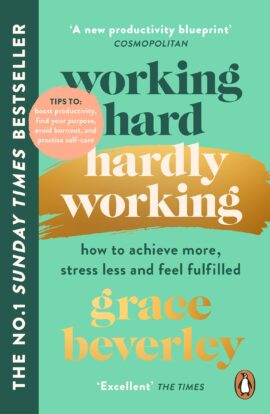
Working Hard, Hardly Working
THE #1 SUNDAY TIMES BESTSELLER'Excellent.' The Times'Offers a fresh take on how to create your own balance, be more productive and feel fulfilled in the high-pressure social media age.' Cosmopolitan, 12 BEST NEW BOOKS TO READ'Serves some serious inspiration for the business-minded.' Bustle, TOP DEBUT BOOKS OF 2021'Pinpoints and unpacks the confusing and impossible messages we are all fed about modern work, how we are supposedly meant to be "nailing" all areas of our life all at once.' Emma Gannon________________We all know the pressure of feeling like we should be grinding 24/7 while simultaneously being told that we should 'just relax' and take care of ourselves, like we somehow have to decide between success and sanity. But in today's complex working world, where every hobby can be a hustle and social media is the lens through which we view ourselves and others, this seemingly impossible choice couldn't be further from our reality.In Working Hard, Hardly Working, entrepreneur and self-proclaimed 'lazy workaholic' Grace Beverley challenges this unrealistic and unnecessary split, and offers a fresh take on how to create your own balance, be more productive and feel fulfilled.________________A BOOK TO HELP YOU:Create your own Productivity Method: Work smart and do more of what you loveMake your routine work for you: Optimise your habits and reap the benefitsUnderstand your value: Get into your flow and enjoy your everydayEngage in effective self-care: How stepping back can help you move forwards
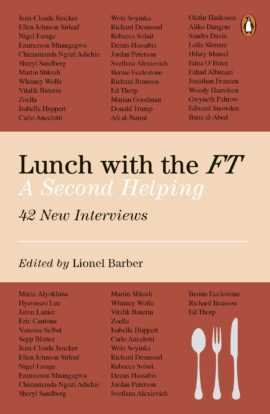
Lunch with the FT: A Second Helping
Lunch with the Financial Times has been a permanent fixture in the Financial Times for almost 25 years, featuring presidents, film stars, musical icons and business leaders from around the world. The column is now as well-established institution which has reinvigorated the art of conversation in the convivial, intimate environment of a long boozy lunch. On its 25th anniversary, Lunch with the Financial Times 2 will showcase the most entertaining, incisive and fascinating interviews from the past five years including those with Donald Trump, Sheryl Sandberg, Richard Branson, Yanis Varoufakis, Zadie Smith, Nigel Farage, Russell Brand and David Guetta, illustrated in full colour with James Ferguson's famous portraits.
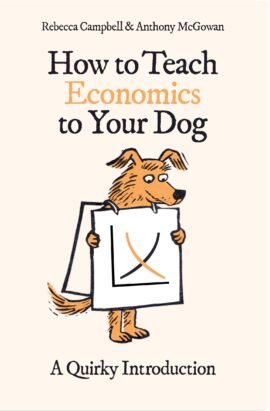
How to Teach Economics to Your Dog: A Quirky Introduction
A fun take on some of the biggest questions in economics, made accessible for non-experts (and dogs)Monty is a dog, not a financial genius, but economics still shapes his everyday life.Over the course of seventeen walks, Dr Rebecca Campbell chews over economic concepts and investigates how they apply to our lives – people and mutts alike. There are no graphs, no charts (Monty can’t read them) and definitely no calculus!How to Teach Economics to Your Dog tackles the knotty question of what economics actually is. Is it a mathematical science like physics? Or a moral and philosophical investigation of how societies should manage scarce resources?Along the way we meet some of the great thinkers from Adam Smith to Thomas Piketty, and ponder questions such as: What on earth does quantitative easing mean? And why are some countries so much richer than others?
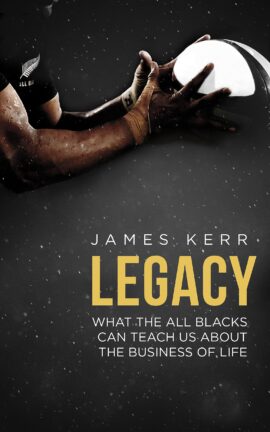
Legacy: What The All Blacks Can Teach Us About The Business Of Life
THE 10TH ANNIVERSARY EDITIONChampions do extra.They sweep the sheds.They follow the spearhead.They keep a blue head.They are good ancestors.In Legacy, best-selling author James Kerr goes deep into the heart of the world's most successful sporting team, the legendary All Blacks of New Zealand, to reveal 15 powerful and practical lessons for leadership and business.Legacy is a unique, inspiring handbook for leaders in all fields, and asks: What are the secrets of success - sustained success? How do you achieve world-class standards, day after day, week after week, year after year? How do you handle pressure? How do you train to win at the highest level? What do you leave behind you after you're gone?What will be your legacy?
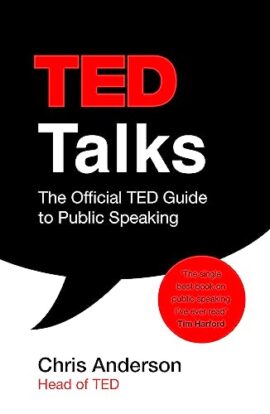
TED Talks
In Ted Talks Chris Anderson, head of TED, reveals the inside secrets of how to give a first-class presentation. Where books like Talk Like TED and TED Talks Storytelling whetted the appetite, here is the official TED guide to public speaking from the man who put TED talks on the world's stage. 'Nobody in the world better understands the art and science of public speaking than Chris Anderson. He is absolutely the best person to have written this book' Elizabeth Gilbert.Anderson shares his five key techniques to presentation success: Connection, Narration, Explanation, Persuasion and Revelation (plus the three to avoid). He also answers the most frequently asked questions about giving a talk, from 'What should I wear?' to 'How do I handle my nerves?'.Ted Talks is also full of presentation tips from such TED notable speakers as Sir Ken Robinson, Bill Gates, Mary Roach, Amy Cuddy, Elizabeth Gilbert, Dan Gilbert, Amanda Palmer, Matt Ridley and many more. This is a lively, fun read with great practical application from the man who knows what goes into a truly memorable speech. In Ted Talks Anderson pulls back the TED curtain for anyone who wants to learn how to prepare an exceptional presentation.