Paradise Lost and Paradise Regained
700,00 د.ج
Greedily she engorged without restraint, And knew not eating death;
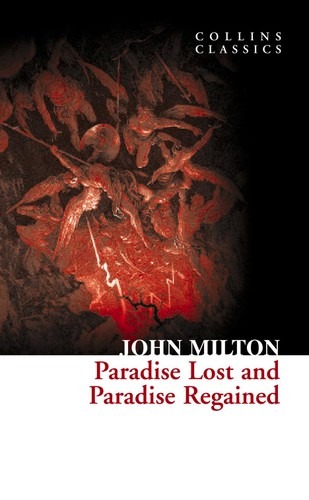
Milton’s Paradise Lost is a poem of epic proportions that tells of Satan’s attempts to mislead Eve into disobeying God in the Garden of Eden, by eating from the tree of knowledge. His interpretation of the biblical story of Genesis is vivid and intense in its language, justifying the actions of God to men. In his sequel poem, Paradise Regained, Milton shows Satan trying to seduce Jesus in a similar way to Eve, but ultimately failing as Jesus remains steadfast.

Greedily she engorged without restraint, And knew not eating death;
Milton’s Paradise Lost is a poem of epic proportions that tells of Satan’s attempts to mislead Eve into disobeying God in the Garden of Eden, by eating from the tree of knowledge. His interpretation of the biblical story of Genesis is vivid and intense in its language, justifying the actions of God to men. In his sequel poem, Paradise Regained, Milton shows Satan trying to seduce Jesus in a similar way to Eve, but ultimately failing as Jesus remains steadfast.
Produits similaires
King Lear
White Fang (Collins Classics)
The Voyage Out (Collins Classics)
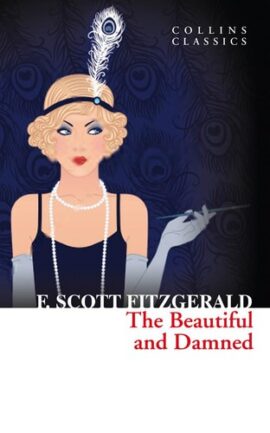
The Beautiful and Damned (Collins Classics)
Anthony and Gloria Patch are the bright lights of the 1920s New York smart set and lead a life of luxury, idleness and indulgence. But Jazz Age glamour comes at a price and, with Anthony's inheritance uncertain, the couple's decadent lifestyle begins to fall apart. Anthony is unable to hold down a job, and the couple descend into alcoholism and depression as their finances and marriage collapse. Fitzgerald's captivating tale of squandered talent is the classic account of the so-called Lost Generation.
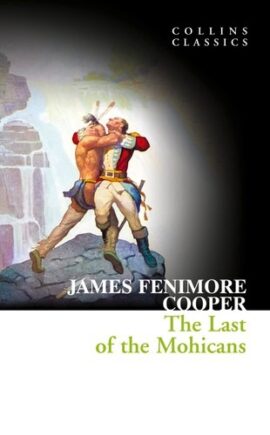
The Last of the Mohicans
Set in frontier America in the midst of the French-Indian war, as the French are attempting to overthrow an English fort, Cooper’s story follows Alice and Cora Munro, pioneer sisters who are trying to find their way back to their father, an English commander. Guided by an army major and Magua, an Indian from the Huron tribe, they soon meet Hawk-eye, a frontier scout and his Mohican Indian companions Chingachgook and Uncas. Magua is not all that he seems and the sisters are kidnapped. In The Last of the Mohicans, Cooper sets Indian tribe against Indian tribe and lays bare the brutality of the white man against the Mohicans.
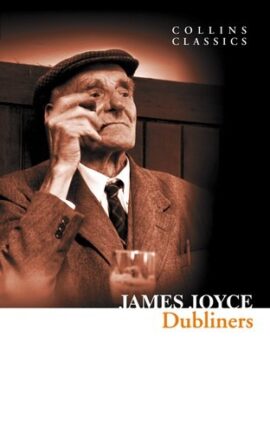
Dubliners (Collins Classics)
‘One by one they were all becoming shades. Better pass boldly into that other world, in the full glory of some passion, than fade and wither dismally with age.’
Revealing the truths and realities about Irish society in the early 20th century, Joyce’s Dubliners challenged the prevailing image of Dublin at the time. A group portrait made up of 15 short stories about the inhabitants of Joyce’s native city, he offers a subtle critique of his own town, imbuing the text with an underlying tone of tragedy. Through his various characters he displays the complicated relationships, hardships and mundane details of everyday life and the desire for escape – a yearning that so closely mirrored his own experiences.
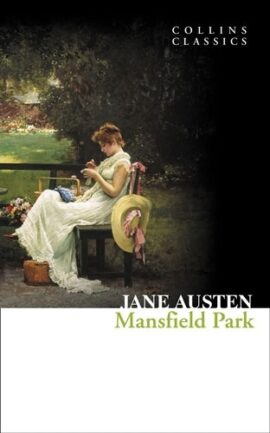
Mansfield Park
‘I pay very little regard…to what any young person says on the subject of marriage. If they profess a disinclination for it, I only set it down that they have not yet seen the right person.’
Humble and lowly, a young Fanny Price goes to live with her wealthy Aunt and Uncle at their grand house, Mansfield Park. Growing up with her privileged and spoilt cousins, the Bertrams, she lives in the shadows of their glamorous lives, but manages to find an ally in her cousin, Edmund.
When Henry and Mary Crawford come to visit, the house is thrown into disarray as romance flourishes between the young people, leading Fanny to finally confront the extent of her true feelings for Edmund.